Tests to expect at your first longevity appointment
A plain-English tour of the bloodwork, imaging and fitness tests longevity clinics commonly use, and what each one tells you.
Updated October 1, 2026 · 6 min read
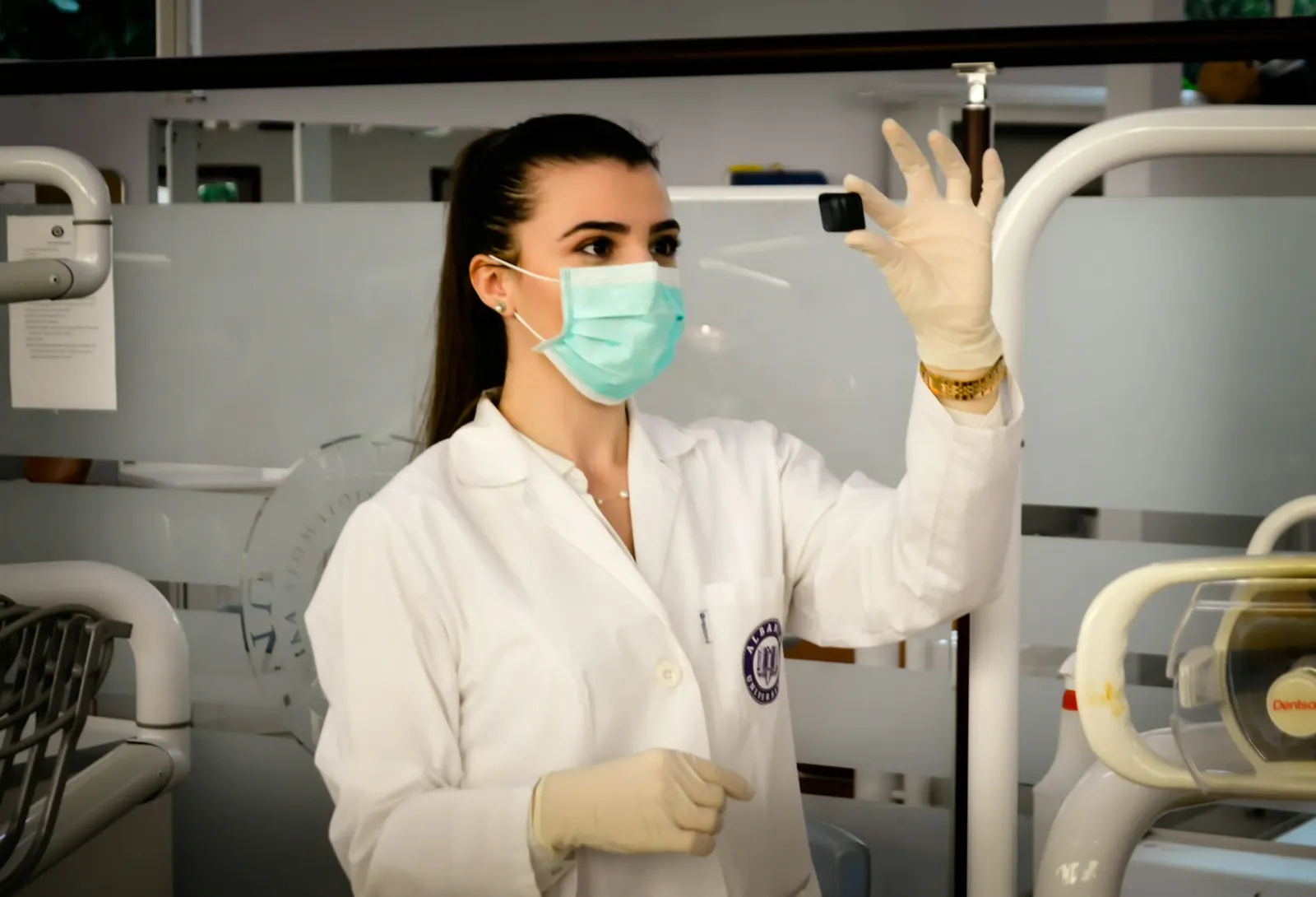
Every clinic builds its own panel, but most first assessments draw from the same core categories. Here’s what they are and why they’re used.
Bloodwork
- ApoB. Counts the particles that carry cholesterol into artery walls. Many preventive cardiologists consider it a sharper risk marker than LDL alone.
- Lp(a). A largely genetic cholesterol particle linked to heart disease. Most people only need it measured once.
- HbA1c and fasting insulin. Show how your body is handling blood sugar, often years before diabetes would be diagnosed.
- hs-CRP. A marker of low-grade inflammation.
- Hormone, thyroid and kidney panels, depending on your age, sex and symptoms.
Imaging
- Coronary artery calcium (CAC) score. A quick, low-dose CT scan that shows calcified plaque in the heart’s arteries.
- DEXA scan. Measures bone density, muscle mass and visceral fat.
- Full-body MRI. Offered by some clinics. It’s worth discussing the trade-offs with your clinician, including the chance of incidental findings that lead to further testing.
Fitness and function
- VO2 max. Your peak aerobic capacity, measured on a bike or treadmill. Higher levels are strongly associated with longer life.
- Grip strength and leg strength. Simple tests that track how well you’ll keep your independence as you age.
- Balance and mobility screens.
Questions to ask about any test
- What will we do differently depending on the result?
- Is it covered by insurance, and if not, what does it cost?
- How often does it need repeating?
This guide is general information, not medical advice. Talk to a licensed clinician about what's right for you.